A vegan seal can help you check whether a product meets defined animal-free standards. But if you’re asking whether that seal also guarantees a product was never made on equipment or in a facility that handles animal-derived ingredients, the answer is usually more complicated: don’t assume it does.
Vegan certification and cross-contamination controls are related, but they allergen statement supplements are not the same question. A seal may assess a product’s ingredients and manufacturing information without promising that no trace contact with animal-derived materials can occur. To understand what a label means, you need to look at the certification’s scope, the product’s capsule or softgel materials, and the company’s facility practices.
That distinction matters for supplements, where animal-derived materials can appear in unexpected places. It also matters to athletes and other consumers who have stricter requirements than “no animal ingredients intentionally added.” Here’s how to read vegan claims, what third-party verification can tell you, and what to ask when cross-contact is a concern.
First, define what “cross-contamination” means
People use “cross-contamination” to describe several different situations. In a supplement setting, it might mean a vegan product was made on shared equipment after a product containing gelatin was manufactured. It could also refer to shared storage, a common production line, or contact with a processing aid used during manufacturing.
These scenarios are not automatically equivalent. A company may clean shared equipment between production runs, use dedicated lines for certain products, or have no controls beyond ordinary production procedures. And “cross-contamination” in vegan discussions is not necessarily the same as allergen cross-contact, which is often managed under separate food-safety rules.
So when a person asks whether a product is vegan, they may mean one of several things:
- No animal-derived ingredients are intentionally included in the finished product. Animal-derived processing aids are not used, or are considered within the product’s standard. The product is made without shared equipment or facilities that handle animal materials. The product has been independently reviewed against a published vegan standard.
A label that answers the first question may not answer the others. It’s worth being precise about what you need before treating any seal as a full cross-contamination guarantee.
What a vegan seal can—and cannot—tell you
Third-party vegan verification can be useful because it adds an independent review to a company’s own claim. Depending on the program, the review may examine ingredients, supplier information, manufacturing processes, or other documentation. That is more informative than a bare “vegan” statement when the certification’s standards and scope are publicly available.
However, there is no single universal vegan seal that automatically means the same thing everywhere. Each certification program sets its own requirements. Even a credible seal should be understood according to its published criteria—not as a blanket promise about every ingredient, supplier, line, and facility.
What “vegan certification scope” means
Vegan certification scope refers to what a certification actually evaluates and covers. Does it apply to one product, a product line, or a whole brand? Does the reviewer check ingredient lists only, or also manufacturing information? Does the standard address processing aids, shared equipment, or facility practices? These are the questions that tell you whether a seal is relevant to your particular concern.
For example, a certification may verify that a finished product and its intentionally used ingredients meet a vegan definition, while not guaranteeing a dedicated animal-free facility. Another program may ask for broader manufacturing information but still stop short of promising zero trace contact. The exact answer depends on the program’s written standard and the product’s certification status.
Certified Vegan is a recognizable third-party certification name consumers may encounter. As with any certification, check the organization’s current criteria and confirm that the specific product—not just the company or a similar product—is covered. If you need a guarantee about shared equipment or facility-wide controls, look for explicit language on those points rather than inferring it from the seal alone.
Why capsule and softgel shells deserve a close look
I always check the capsule shell before the active ingredients. It is one of the easiest places for an otherwise plant-based supplement to fall short of a vegan standard, and labels that say only “capsule” without naming the shell material make the job unnecessarily difficult.
Traditional capsules may use gelatin, which is animal-derived. Other capsules may use plant-based materials such as hydroxypropyl methylcellulose (HPMC) or pullulan. Those materials are commonly used in vegetarian or vegan capsules, but verify the exact product label and ask the manufacturer if the shell material is not disclosed. “Vegetarian capsule” and “vegan capsule” are often used similarly in marketing, but the label should make the material clear enough to evaluate.
Softgels need particular attention. Many are made with gelatin, and their shell may also include glycerin or other ingredients whose source can vary. A softgel can contain plant-based active ingredients and still have an animal-derived shell. Don’t assume that a fish oil alternative, vitamin, or herbal blend is vegan just because its active ingredient sounds plant-based.
Other potential animal-derived ingredients can be less obvious, including:
- Vitamin D3 sourced from lanolin, a substance from sheep’s wool. Glycerin, which may be plant- or animal-derived. Magnesium stearate or stearic acid, whose source can vary. Shellac, sometimes used as a coating. Whey, casein, collagen, or other animal-derived substances in blends or flavor systems.
These examples do not mean that every ingredient with a familiar name is animal-derived. They mean the source may not be clear from the ingredient name alone. A manufacturer or certification program should be able to clarify the relevant source and whether it falls within the product’s vegan claim.
Processing aids and “hidden” animal-derived inputs
Ingredients listed on the label are only part of the picture. Processing aids are substances used during manufacturing for a technical purpose. Depending on the rules and the product, they may not remain in the finished product in a way that requires declaration on the label. Some consumers and vegan standards consider their use important; others focus primarily on the ingredients in the finished item.
That difference is why a short ingredient list does not necessarily settle the question. If you want to know whether animal-derived processing aids are excluded, ask directly and check whether the certification standard addresses them. Do not assume that “no animal ingredients listed” means “no animal-derived materials used anywhere in production.”
Vague phrases such as “natural flavors” also deserve a follow-up when they matter to your decision. The phrase alone does not establish whether a flavor is vegan or non-vegan. Ask the company whether the flavor components and carriers are animal-free and whether the answer is covered by its certification or supplier review. I keep a running note on ingredients that sound vegan but are not, and ambiguous flavor language is a reliable reminder to email the brand instead of guessing.
Does a vegan seal cover shared equipment or facilities?
Usually, you should treat that as an open question until the certifier or company answers it explicitly. A vegan seal may help verify that a product meets an animal-free ingredient standard, but it may not mean the product is made in a dedicated vegan facility. Some manufacturers share equipment or facilities across multiple products. Others may have separation, cleaning, or scheduling procedures intended to reduce carryover.

“Made in a facility that also processes animal products” is not, by itself, proof that animal material is present in a vegan product. Nor does a statement about cleaning automatically prove that every consumer’s preferred standard is met. The relevant details are the type of shared production, the controls used, and what the certification permits.
If your concern is ethical avoidance of animal-derived ingredients, shared equipment may be a personal or standards-based decision. If your concern is an allergy, use the manufacturer’s allergen information and seek medical advice; a vegan seal is not an allergen-safety certification. If you need zero animal contact for another reason, ask for a specific answer about dedicated equipment and the company’s controls.
How batch lab reports and a COA fit in
Two tools that consumers often request are batch lab reports and a certificate of analysis (COA). They can be useful, but they do not automatically answer whether a product is vegan or whether it has had contact with animal-derived materials.
A COA typically reports results for a defined batch and specified tests. Depending on the product and testing program, it may include identity, potency, purity, or contaminant results. Batch lab reports can provide similar batch-specific information. The key is to read what was tested, by whom, and against what limits. A report that tests for heavy metals, for instance, does not verify the capsule shell source or the absence of animal-derived processing aids.
Ask whether the report is tied to the lot number on your bottle, whether the laboratory is independent, and which methods and substances were tested. If you need vegan verification, request documentation that addresses ingredients, suppliers, shell materials, and manufacturing—not just a generic COA. Lab testing is valuable when the test can detect the specific thing you’re concerned about; it is not a substitute for a clear manufacturing statement or an appropriately scoped certification.
Questions to ask a brand or certifier
When a label leaves a gap, a direct question is often the fastest route to a useful answer. For example, when looking at products from a wellness brand such as Joy Organics, evaluate the specific product and its current documentation rather than assuming that one product’s claims apply to every item in the range. The same approach applies to any brand: product formulas and manufacturing arrangements can differ.
Try asking:
Is this specific product certified vegan, and what organization verified it? Does the certification cover the capsule or softgel shell, flavors, carriers, and processing aids? What are the capsule or softgel shell materials, and are any sources animal-derived? Is the product made on shared equipment or in a facility that handles animal-derived ingredients? If equipment is shared, what cleaning or separation procedures are used? Can you provide batch lab reports or a COA for the lot I have, and what do those tests cover? Does the certifier’s standard make any specific commitment about shared facilities or cross-contact?Look for a response that addresses each question rather than repeating “our product is vegan.” A clear answer might distinguish between animal-free ingredients and shared-facility practices. If a company cannot disclose supplier details, it may still be able to confirm the ingredient source or explain its certification process.
Organic is not the same as vegan
“Organic” describes standards related to how certain agricultural ingredients are produced and handled. It does not automatically mean a product contains no animal-derived ingredients, and it does not establish that the product is made in a vegan-only facility. A supplement can be organic without being vegan, vegan without being organic, both, or neither.
Similarly, a brand’s values or sustainability messaging do not replace product-specific evidence. Read the current label, check the seal, and verify what the organization actually reviews. At Athleisure Mag, that kind of label literacy matters because athletes and active consumers may be choosing products for several reasons at once: dietary preference, ingredient transparency, testing, and sport-specific needs.
Athletes may need sport-specific testing, too
Vegan status and banned-substance risk are separate issues. A vegan-certified product is not automatically tested for substances prohibited by a sports governing body. Athletes subject to anti-doping rules should look for a recognized sport-testing program that fits their needs, verify the exact product and lot when possible, and follow their organization’s current guidance.
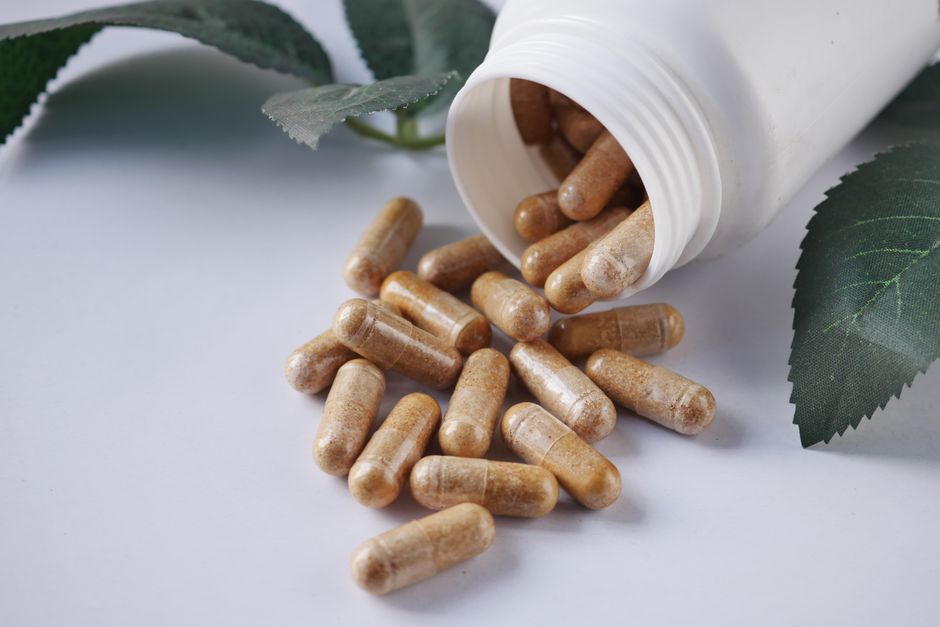
Batch lab reports or a COA can support quality review, but they should be interpreted in light of the tests actually performed. A vegan seal answers a different question from sport certification, just as neither one necessarily promises a dedicated animal-free manufacturing site.
The practical takeaway
There is no safe shortcut from “has a vegan seal” to “guaranteed no cross-contamination.” Third-party verification can make a vegan claim more meaningful, but you still need to check its vegan certification scope, including how it treats processing aids, capsule and softgel materials, shared production, and facility practices.
Use this quick checklist when assessing a supplement:
- Confirm that the seal applies to the exact product you plan to buy. Check the shell material—not just the active ingredients. Ask about unclear ingredient sources, natural flavors, and processing aids. Look for specific statements on shared equipment and facility practices. Use batch lab reports or a COA for the tests they actually document, not as proof of vegan status by default. If you need sport assurance, check for appropriate sport-specific testing separately.
A useful vegan seal is a starting point, not a substitute for knowing what it covers. When cross-contact is central to your decision, ask the certifier and the manufacturer for a direct, product-specific answer—and keep that answer with the label and lot information.